

1. Use caution with floodwater.
If you are driving through a damaged area, remember not to drive through floodwaters. While it might not look like much, cars may stall or even get washed away if the situation is severe. It only takes six inches of water to reach the bottom of most vehicles, while a foot of water will float most vehicles. When it comes to flooded roads, proceed with caution and assume the water is deep. Turn around, don't drown. If you have been in contact with floodwater, always wash your hands with soap and water. If soap and water are unavailable, alcohol-based wipes or hand sanitizer are the next best option. Floodwater may contain contaminants like germs, chemicals, debris, and other substances that could impact your health and safety.
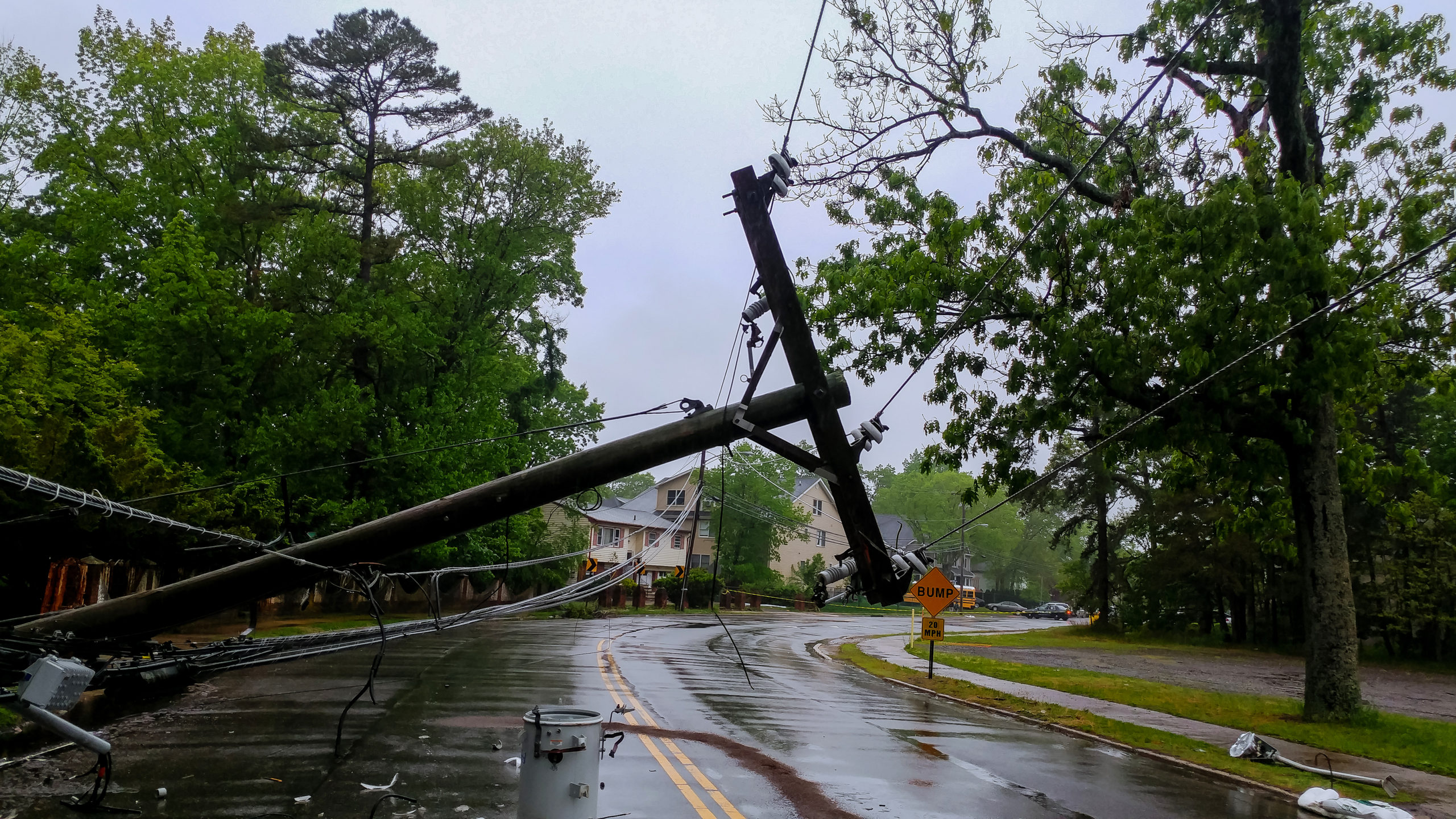
2. Protect yourself from potential electrical issues.
3. Monitor carbon monoxide.
Any device that burns fuel creates carbon monoxide, which can cause illness and even death. Carbon monoxide is undetectable by sight or smell. Be cautious with equipment, like generators and camp stoves. Never use these devices inside your home or any enclosed or unventilated space. They should only be used outside at a safe distance away from your house. Additionally, make sure that you have a carbon monoxide detector in your home and plenty of batteries to keep it operating.
4. Identify and document damaged property.
Create a detailed list of damaged property, including an item description, manufacturer name, age, and place/date of purchase. Take pictures or videos of the damaged objects and frequently update your home inventory.We at Providence Mutual hope that you and your family stay safe during the hurricane season and use these tips for hurricane safety to help prepare. To prepare before the next storm, review our pre-storm tips here. To better prepare during a storm, review our tips here.


